What to ask a payout provider before you sign: SOC 1 and SOC 2
A payout provider will hold your money and your recipients' bank details. Before you sign, ask to see the proof that both are handled properly.
When finance and procurement teams evaluate a payout provider, the security review often comes last and gets rushed. Someone asks "are you SOC 2?", hears yes, and checks a box. But a SOC report is a detailed document, and two providers can both say "yes" while offering very different levels of assurance.
This guide explains what SOC 1 and SOC 2 reports are, which ones matter for a payout provider, how to read one without being an auditor, and what else to ask for. It is general guidance, not legal or audit advice.
Key takeaways
- SOC reports are independent audit reports, not certificates or badges.
- For a payout provider, both SOC 1 and SOC 2 matter. One covers controls that affect your financial reporting, the other covers security and data handling.
- Type 2 is stronger than Type 1 because it tests whether controls actually worked over a period of time.
- Read the report, not just the cover page. Scope, exceptions and your own responsibilities are where the detail lives.
- A SOC report is one input, not the whole review.
What is a SOC report?
SOC stands for System and Organization Controls. The reports are produced under standards set by the American Institute of Certified Public Accountants (AICPA), and an independent CPA firm performs the examination. The auditor reviews how a service provider runs its controls and issues an opinion on them.
In audit terms, the provider is the "service organization" and you, the customer, are a "user entity." That framing matters because a SOC report is written for you: it is meant to help you judge the risk of handing part of your operations to someone else.
SOC 1, SOC 2 and SOC 3: What each one covers
| Report | What it covers | Who usually reads it |
|---|---|---|
| SOC 1 | Controls that can affect your financial reporting, such as how transactions are processed and recorded. | Finance, controllers and your external auditors |
| SOC 2 | Controls over security, and optionally availability, processing integrity, confidentiality and privacy. | Security, IT, procurement and risk teams |
| SOC 3 | A short, public summary of a SOC 2 examination, without the detail. | Anyone; it is designed for general use |
The AICPA's Journal of Accountancy has a plain-language overview of all three if you want more background.
Type 1 vs Type 2: Why the difference matters
Both SOC 1 and SOC 2 come in two types:
- Type 1 looks at whether controls are designed properly at a single point in time.
- Type 2 also tests whether those controls actually operated as intended over a period, often six to twelve months.
A Type 1 report tells you the provider had a sensible plan on one day. A Type 2 report tells you the plan was followed. For a provider that will move your money every week, Type 2 is the one to ask for.
Which report matters for a payout provider?
Usually both, for different reasons.
SOC 1 matters because payouts flow through your books. Partner incentives, rebates and contractor payments are real expenses and liabilities, so if a provider processes them, its controls can affect your financial statements. Your external auditors may ask for the provider's SOC 1 report as part of their own work.
SOC 2 matters because a payout provider handles sensitive information: who your partners are, how much you pay them, and in many cases their bank details and identity documents. You want evidence that this information is protected and that access to it is controlled. It also connects to the controls you run on your side, like dual approval and a clear audit trail.
How to read a SOC report without being an auditor
You don't need to review every page. Focus on these six things. Washington State's financial management office publishes a useful guide to using SOC reports if you want to go deeper.
1. Scope: Does it cover the service you are buying?
The system description explains what was examined. Make sure the payout service you plan to use is inside it. A report that covers a different product or only part of the platform tells you less than it seems.
2. Type and period: Is it current?
Check whether it is Type 1 or Type 2 and which dates it covers. A Type 2 report that ended more than a year ago is stale.
3. The opinion and any exceptions
The auditor's opinion is near the front. Then look at the test results for exceptions, which are cases where a control didn't work as described. A few exceptions are normal. What matters is whether they touch something important to you and how the provider responded.
4. Subservice organizations
Most providers rely on other companies, such as cloud hosting or banking partners. The report should say which ones are relevant and whether their controls were included or carved out. If they were carved out, you may want to know how the provider oversees them.
5. Your own responsibilities
Look for a section called complementary user entity controls. These are the things the provider expects you to do, such as managing who on your team has access and reviewing approvals. If you skip them, the assurance in the report doesn't fully apply to you.
6. Bridge letter for the gap
Reports cover a past period. If there is a gap between the end of that period and today, ask for a bridge letter, a short statement from the provider's management that nothing material has changed. It is not audited, but it closes the gap until the next report.
What else to ask a payout provider for
A SOC report is a strong starting point, but most security reviews also cover:
- How recipient data is collected and stored, including whether your team ever has to handle bank details directly. Our guide to payee management explains why that matters.
- Access controls, including multi-factor authentication and role-based permissions for your users.
- Approval controls for payment files and changes to banking details.
- Incident response, including how and when the provider would notify you.
- Independent testing, such as a summary or attestation of recent penetration testing.
- Fraud prevention, especially around payment redirection. Our guide to business email compromise covers the common schemes.
Red flags to watch for
- A provider that calls itself "SOC 2 certified" but won't share the report under a confidentiality agreement.
- Only a Type 1 report, with no plan for Type 2.
- A report whose scope doesn't include the service you are buying.
- Exceptions in areas that matter to you, with no explanation of what was fixed.
- A report period that ended long ago, with no bridge letter.
Where Xtrm stands
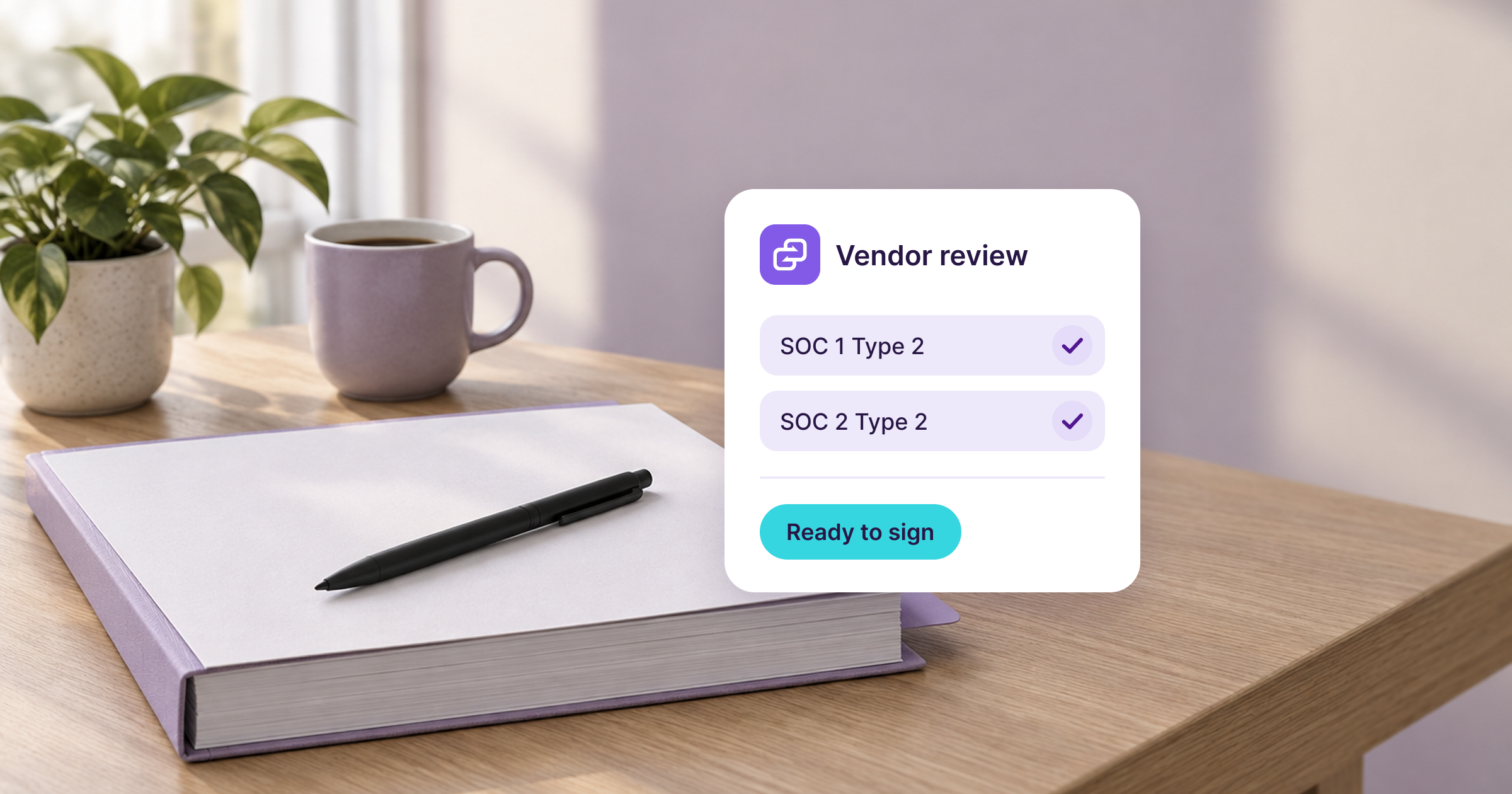
Xtrm is SOC 1 and SOC 2 Type II compliant. If you are evaluating Xtrm and need security documentation for your review, a payout specialist can point you in the right direction.
FAQs about SOC reports for payout providers
Is SOC 2 a certification?
No. A SOC 2 report is an independent auditor's opinion on a provider's controls, not a certificate. That is why it is worth reading the report itself rather than relying on a badge.
Do I need SOC 1 if a provider has SOC 2?
They answer different questions. SOC 2 covers security and data handling, while SOC 1 covers controls that can affect your financial reporting. Because payouts flow through your books, many finance teams and their auditors want both from a payout provider.
Is a Type 1 report good enough?
A Type 1 report shows that controls were designed properly on one date. A Type 2 report also shows they worked over a period of time, which makes it the stronger choice for a provider that will handle ongoing payments.
Why won't a provider post its SOC 2 report publicly?
SOC 1 and SOC 2 reports contain detailed information about a provider's controls, so they are usually shared only with customers and prospects, often under a confidentiality agreement. A SOC 3 report is the short version designed for public use.
How often should a provider issue a new report?
Most providers that maintain SOC reports renew them each year. If the latest report ended a while ago, ask for a bridge letter to cover the gap.
Conclusion: Ask for the report, then read the parts that matter
Choosing a payout provider means trusting it with money, partner relationships and sensitive data. A current Type 2 SOC 2 report, and a SOC 1 report where your finance team needs one, are the clearest independent evidence you can get. Read the scope, the exceptions and your own responsibilities, ask a few follow-up questions, and you will have a much better picture than a yes or no on a questionnaire.
If you are reviewing payout providers and want to talk through what Xtrm offers, we are glad to help.
Last updated: November 20, 2026
Post by The Xtrm Team
Nov 23, 2026, 11:33:04 AM